How To Pick the right metal for lab grown diamond engagement rings
Check Out Exquisite Lab Grown Diamond Engagement Rings for a Classic Sign of Your Love
Lab-grown diamond engagement rings have emerged as an engaging choice for couples looking for both charm and moral integrity. These treasures mirror the luster of all-natural diamonds, yet they come with a smaller sized ecological footprint. With numerous styles and personalization options offered, each ring can inform an unique story. As couples explore these options, questions about their value and value develop, prompting a much deeper check into what makes these rings a purposeful icon of love.
The Increase of Lab-Grown Diamonds: A Modern Romance
As customers increasingly seek sustainable options, the appeal of lab-grown diamonds has actually risen, transforming the engagement ring market. These fairly created stones interest environmentally aware pairs who prefer an icon of love without the moral issues related to typical mining. Lab-grown diamonds provide the very same attraction, radiance, and top quality as all-natural diamonds yet at a much more accessible rate factor. This shift in consumer preference is improving the narrative around engagement rings, promoting a contemporary love tale that values sustainability and credibility. Stores are reacting to this pattern by broadening their offerings, making lab-grown alternatives extra common in precious jewelry shops. As an outcome, couples are encouraged to choose stunning, purposeful rings that mirror their values and commitment to a far better future.
Recognizing the Process: Just How Lab-Grown Diamonds Are Made
While several might presume that diamonds can only be formed deep within the Planet's mantle, lab-grown diamonds are developed through sophisticated technical processes that duplicate these natural problems. Both key methods for generating these diamonds are High Stress Heat (HPHT) and Chemical Vapor Deposition (CVD) In the HPHT technique, carbon goes through intense stress and temperature level, resembling the natural development process. Conversely, the CVD method involves creating a plasma environment where carbon atoms gradually down payment onto a substrate, developing diamond crystals gradually. Both methods result in diamonds that are chemically and physically similar to their mined counterparts. As a result, lab-grown diamonds offer a lasting choice, giving the very same sparkle and beauty without the ecological effect related to typical diamond mining.
The Ethical Choice: Why Pick Lab-Grown Diamonds?
Lab-grown diamonds provide an engaging ethical option for customers worried about the ecological effect of traditional mining. These diamonds assure a conflict-free standing, guaranteeing that no civils rights abuses are connected to their manufacturing. In addition, they offer a cost-effective choice without jeopardizing high quality or charm.
Ecological Influence Factors To Consider
Conflict-Free Assurance
As consumers end up being much more knowledgeable about honest sourcing issues, the charm of lab-grown diamonds exists in their fundamental conflict-free guarantee. Unlike mined diamonds, which may be related to financing conflict and human civil liberties abuses in various areas, lab-grown diamonds are created in regulated atmospheres, getting rid of any issues connected to unethical techniques. This guarantee resonates especially with socially aware buyers, that focus on honest considerations in their getting decisions. Additionally, lab-grown diamonds undergo strenuous certification procedures, guaranteeing transparency and traceability. By opting for these diamonds, consumers support accountable techniques while delighting in the exact same physical and aesthetic top qualities as natural diamonds. This moral selection mirrors a growing pattern towards valuing stability and responsibility in the high-end market.
Affordable Alternative
A compelling aspect of lab-grown diamonds is their cost-effectiveness, making them an attractive option for budget-conscious consumers. Usually valued 20-40% less than all-natural diamonds, these lab-created stones offer a considerable cost savings without sacrificing top quality or charm. This monetary benefit enables pairs to invest in larger or higher-quality diamonds than they might pay for or else. Furthermore, the honest manufacturing procedure of lab-grown diamonds attract those who prioritize sustainability and social duty. By picking these stones, customers can take pleasure in satisfaction, knowing they are making a conscientious choice. As the need for honest alternatives expands, lab-grown diamonds continue to arise as a enticing and practical choice for engagement rings, blending affordability with contemporary values.
Visual Appeal: Comparing Lab-Grown and Mined Diamonds
The aesthetic allure of lab-grown and mined diamonds is frequently examined with aesthetic clarity, sparkle, and general craftsmanship. Variables such as color and reduce high quality play substantial duties in establishing their charm, while ethical and environmental considerations also influence customer choices. lab grown diamond engagement rings. A comparison of these facets exposes the nuanced distinctions in between the 2 alternatives, shaping the choices of possible purchasers
Visual Quality and Brilliance
Visual clearness and radiance act as critical aspects in evaluating the visual appeal of both lab-grown and extracted diamonds. Lab-grown diamonds commonly show exceptional clarity because of the regulated problems in which they are created, getting rid of many of the flaws and additions typically located in their all-natural equivalents. This enhanced clarity contributes to an amazing radiance that captivates the eye. On the other hand, mined diamonds can have one-of-a-kind incorporations that some may discover appealing, as they mirror the stone's all-natural beginning and authenticity. Nevertheless, these additions can diminish total radiance. Ultimately, both sorts of diamonds can achieve exceptional aesthetic quality, yet lab-grown diamonds often shine brighter, using a modern option without sacrificing the timeless elegance that defines an involvement ring.
Shade and Cut Quality
Shade and reduced top quality substantially influence the total visual appeal of both lab-grown and extracted diamonds. The Gemological Institute of America (GIA) identifies diamond shade on a scale from D (colorless) to Z (light yellow) Lab-grown diamonds can attain the same color grades as their mined lab grown diamond engagement rings counterparts, enabling consumers to choose rocks that match their preferences. Additionally, the cut of a ruby significantly affects its luster and shimmer. Outstanding cut diamonds reflect light ideally, enhancing visual allure. Both kinds of diamonds can display premium cut high quality, but lab-grown alternatives may provide extra specific cuts due to innovative production methods. Eventually, the option in between the 2 depends upon specific taste and preferred qualities in an engagement ring.
Ecological and ethical Considerations
While both lab-grown and mined diamonds can be visually magnificent, ethical and ecological considerations play a substantial role in the decision-making process for lots of customers. Lab-grown diamonds are developed in controlled settings, making sure that no dishonest mining techniques are included. This openness charms to those concerned about civils rights violations typically linked with mined diamonds. Furthermore, lab-grown diamonds have a smaller sized ecological footprint, as their manufacturing usually calls for less water and power than conventional mining, which can ruin environments. On the other hand, extracted diamonds commonly originate from regions tormented by dispute and ecological destruction. As understanding of these concerns grows, lots of couples are picking lab-grown choices, viewing them as a liable choice that aligns with their values while still celebrating their love.
Personalization Options: Designing Your Perfect Engagement Ring
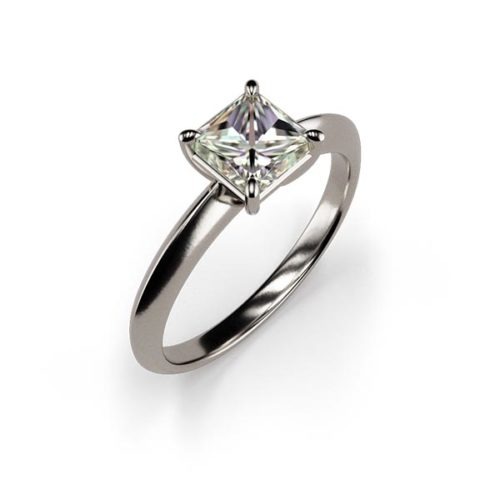
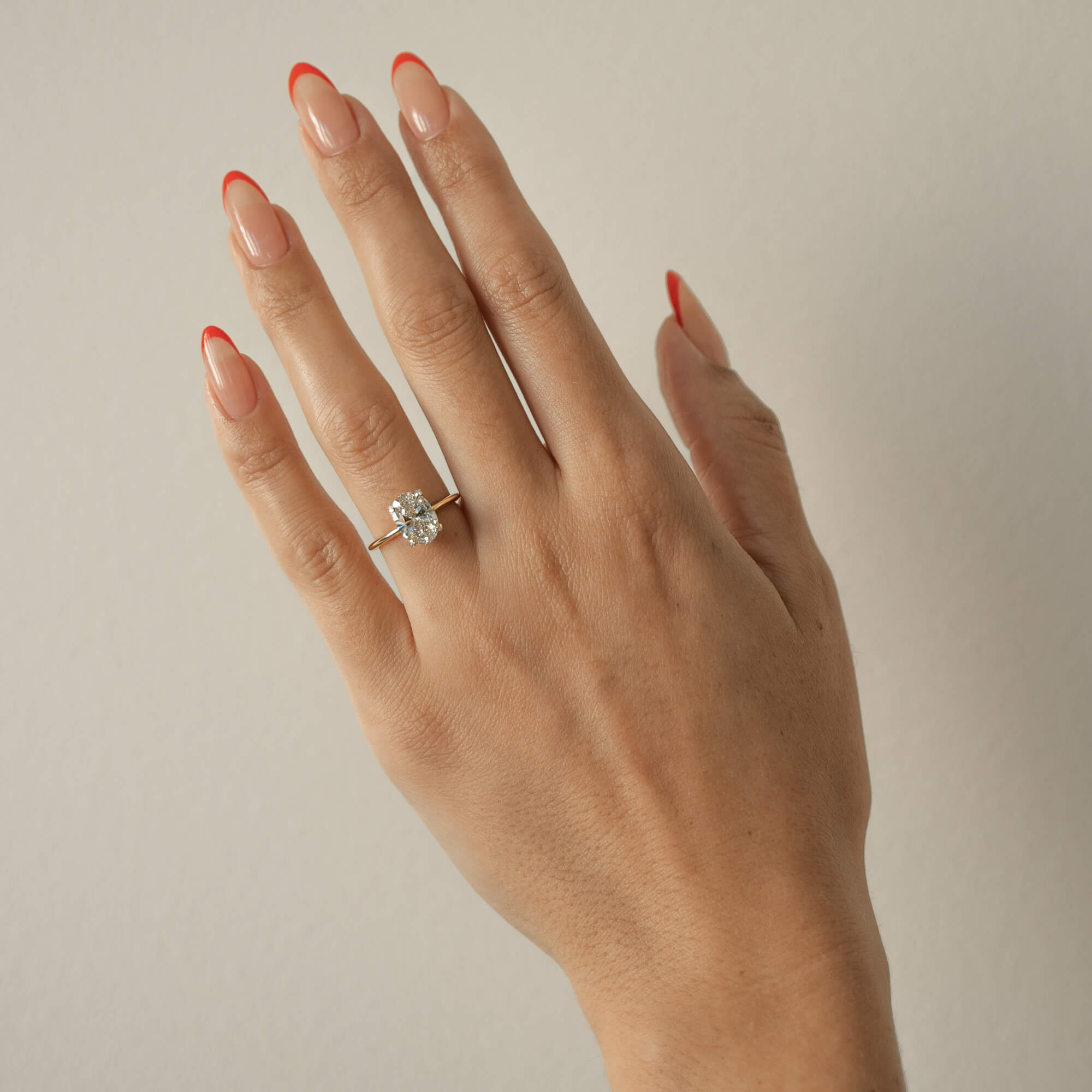
How can one produce a genuinely one-of-a-kind engagement ring that reflects personal style and belief? Personalization options for lab-grown diamond engagement rings permit couples to customize their fashion jewelry to their certain preferences. From choosing the diamond shape-- such as round, princess, or oblong-- to choosing the band product, choices abound. Couples can integrate different steels, consisting of white gold, yellow gold, or platinum, to achieve their desired aesthetic. Setting styles, like solitaire or halo, better boost personalization. Furthermore, engraving inside the band can add a nostalgic touch, featuring initials or purposeful days. With these adjustable elements, each engagement ring ends up being a distinct depiction of love, merging beauty with individual significance. This procedure ensures the ring is as distinct as the partnership it signifies.
Caring for Your Lab-Grown Diamond: Maintenance Tips
Preserving the radiance of a lab-grown diamond requires careful attention and normal care. To maintain the diamond sparkling, it is vital to cleanse it on a regular basis making use of a soft brush and light soapy water. Avoid ultrasonic cleansers and harsh chemicals, which can damage the stone. In addition, keeping the ring separately in a soft towel or a committed box helps prevent scrapes. lab grown diamond engagement rings. When taking part in tasks that might expose the ring to dirt or prospective damage, getting rid of the ring is suggested. Routine examinations at a jeweler can assure that the setting continues to be safe and secure. By complying with these original site straightforward upkeep suggestions, one can preserve the beauty and integrity of their lab-grown diamond engagement ring for several years to come
Actual Pairs, Real Stories: Lab-Grown Diamond Engagement Ring Experiences
What inspires couples to pick lab-grown diamond engagement rings? Many pairs are drawn to the honest and ecological benefits of lab-grown diamonds, which are created without the unfavorable influences related to traditional diamond mining. Actual tales disclose that pairs appreciate the quality and sparkle of these rocks, usually selecting larger or even more detailed designs than they might pay for with natural diamonds. Jenna and Mark shared their exhilaration about locating a sensational lab-grown ring that aligned with their worths, allowing them to invest a lot more in their wedding experience. Sarah and Tom expressed pleasure in picking an one-of-a-kind layout that mirrored their characters, highlighting the flexibility and price of lab-grown diamonds. These experiences emphasize that love and objective form every selection.
Frequently Asked Concerns
Are Lab-Grown Diamonds A Lot More Economical Than Mined Diamonds?
Lab-grown diamonds are typically extra budget-friendly than extracted diamonds, often costing 20-40% much less. This cost distinction occurs from reduced production costs and the absence of mining costs, making them an eye-catching choice for budget-conscious consumers.
Exactly How Can I Tell if a Ruby Is Lab-Grown?
To determine if a ruby is lab-grown, one can check for certification from respectable gemological labs, seek specific engravings on the stone, or use innovative testing techniques that set apart natural from synthetic click over here diamonds.
Do Lab-Grown Diamonds Hold Their Value With Time?
Lab-grown diamonds generally do not hold their value along with natural diamonds. Their resale market tends to be less robust, resulting in reduced lasting gratitude and potentially substantial depreciation compared to mined equivalents.
What Are the Warranty Options for Lab-Grown Diamond Rings?
Service warranty choices for lab-grown diamond rings commonly include coverage for producing issues and may supply extensive service strategies for upkeep. Each retailer offers various terms, so it is very important to examine certain plans prior to purchase.
Can I Resell a Lab-Grown Diamond Engagement Ring?
Yes, a lab-grown diamond engagement ring can be marketed. Nonetheless, resale worths might vary significantly compared to all-natural diamonds, often depending on market need, ring condition, and the brand's reputation.
Lab-grown diamonds provide the same appeal, radiance, and quality as all-natural diamonds yet at an extra obtainable cost factor. Unlike mined diamonds, which may be associated with financing problem and human legal rights misuses in various regions, lab-grown diamonds are developed in regulated atmospheres, eliminating any type of issues related to unethical techniques. Many couples are drawn to the ecological and moral advantages of lab-grown diamonds, which are created without the adverse effects linked with traditional diamond mining. Lab-grown diamonds are usually much more cost effective than extracted diamonds, typically costing 20-40% much less. Lab-grown diamonds generally do not hold their value as well as all-natural diamonds.